
(or "How to mix electronics and water")
Here are 10 tips for designing and testing a custom pressure vessel when an off the shelf housing is not an option:
- Shrink the contents first. The goal is to fit any electronics in the smallest and most cylindrical shape possible.
- Select a practical depth rating based on operating condition, size and cost constraints and stick with it.
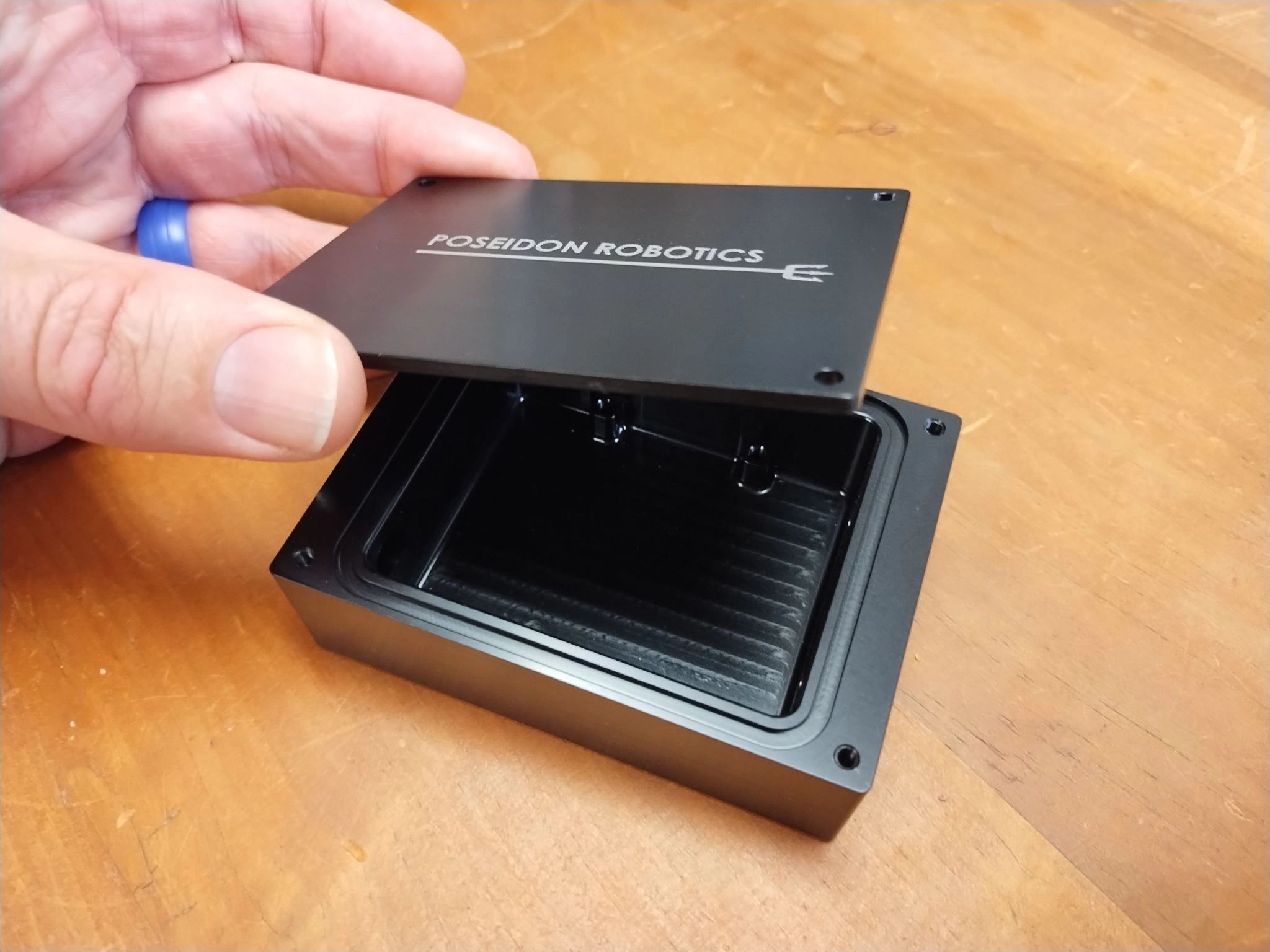
- Choose a geometry. Items like flat power converters may be more practical in a rectangular housing than a cylinder, but it will be heavier.
- Simulate, Simulate, and Simulate again. And always look for similar housings and see if the design is in the right ballpark. See Deep Sea PowerLight's free "Under Pressure" calculator.
- Safety factor is everything, and it varies greatly depending on the material being used, complexity of the geometry, and risk tolerance. 1.5x the rated pressure is a good place to start with metal housing. Please note, these tips are for ROVs, so don't make a submersible from this post.
- Best materials are Titanium (6AL4V alloy, 120ksi) and 17-4 PH Stainless Steel. 316 Stainless, 6061/7075 Aluminum, are good as well. Acrylic, UHMW, Delrin and fiberglass/carbon/Kevlar have uses, but only at shallow depths. Sapphire is the best lens, BK-7 glass is good, Acrylic is okay (but needs a big safety factor).
- Use O-rings. They are very reliable and the free "Parker O-ring Handbook" explains the entire selection and design process. Use 2 separate O-rings in critical applications and also minimize the number of ways water can get into the housing.
- Test it, test it, and (if you can afford it) Destroy it. First perform a vacuum test; 1/2 atmosphere for 30min with less than a few % change is usually good. Test the design to the rated pressure + 10% (with nothing in it, if possible). 3 runs to 110% and back to zero, with a 1 hour hold on the last cycle is common. For critical equipment or radically new designs, have an expert test one unit to failure and analyze it.
- Consider using off the shelf materials for parts of the housing. Using seamless stainless-steel pipe and machining the ends to add O-ring groves and adding a plug can cut the price substantially.
- Consider using Polyurethane, or "compensating" the contents of the housing in mineral oil or another non-conductive fluid. The parts will be exposed to the full pressure of the ocean depths, but many most electronics will survive the pressure of 500 meters just fine and (with some careful selection) many can be made to survive 6,000m or more. But that's a topic for a future post.